Tomato Sauce
Tomato sauce is a generic term worldwide that refers to many things using tomatoes as a base. In North America, tomato sauce is a base made of tomatoes and other spices used to make pasta sauce, tomato soup, and chili. In Mexico, they use this to make salsas and other condiments.
However, in the United Kingdom, India, Australia, South Africa, and New Zealand, tomato sauce refers to what most Americans call ketchup. It is a condiment made with tomatoes, vinegar, and sugar used as a topping for hamburgers or a dipping sauce for french fries and onion rings.
Passata
In the United Kingdom, they have a different name for what they use as a tomato base. Passata is pureed tomatoes, strained to remove the seeds. There are no additional flavorings, but they are usually added for manufactured brands.
Passata is used as a base to make tomato-flavored sauces without starting from scratch. Pasta sauces and tomato-based soups are made much easier by using passata. In the US, the closest relative to passata would be tomato puree.
Bolognese Sauce
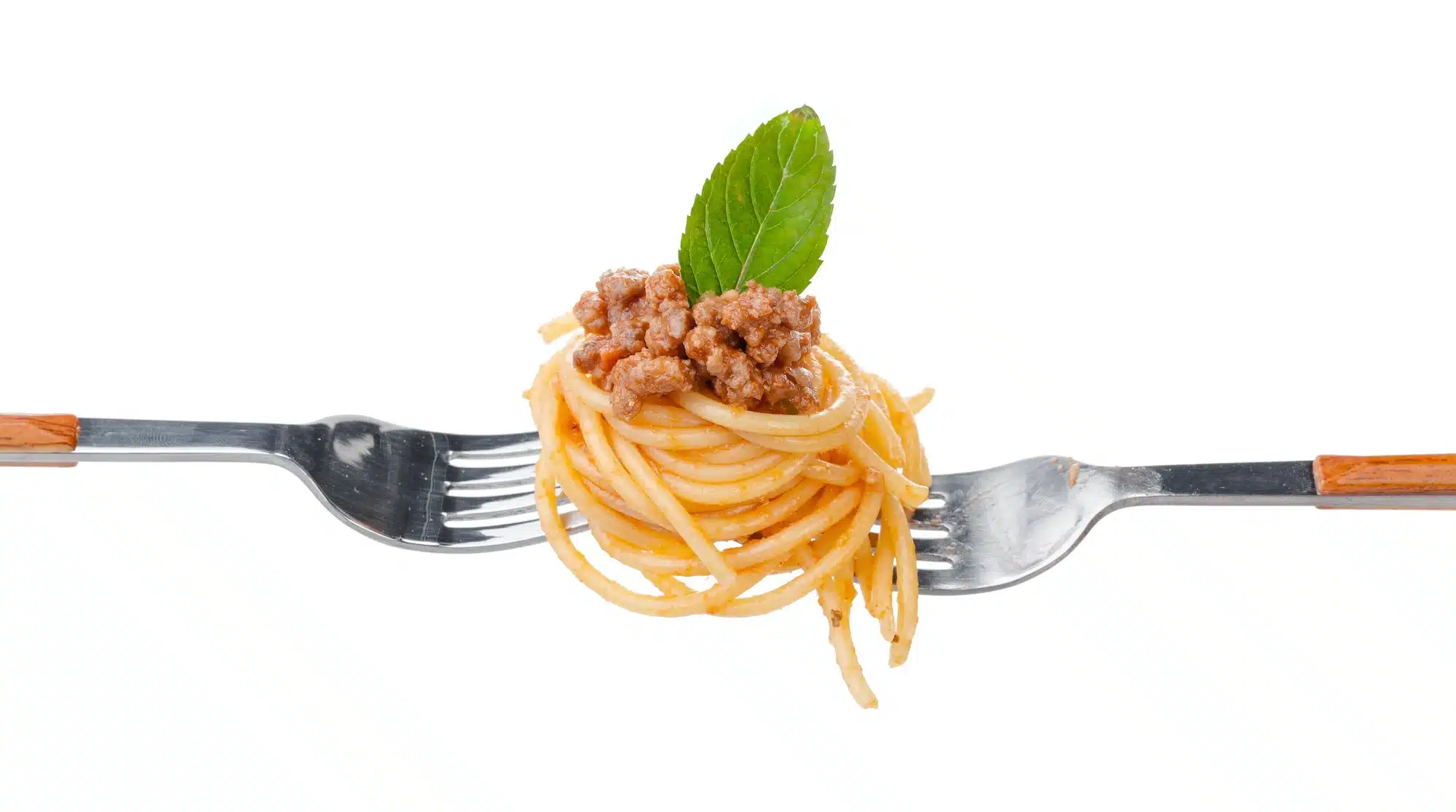
Bolognese sauce is a pasta sauce with a tomato base cooked with meat. Onions, celery, carrots, and chopped beef are combined with pork and are slow-cooked in tomato sauce for a long time. White wine and milk are also added as it simmers to make it creamier.
Bolognese is different from traditional spaghetti sauce because it is much thicker and heartier. It has more meat than most of the other ingredients. In the US, it is usually called spaghetti and meat sauce.
Italians do not usually eat spaghetti Bolognese. It is called Italian cuisine elsewhere because some countries prefer a meat-based diet. It leads them to alter the food they eat to reflect that. More beef and pork are added to the recipe until it becomes more of an Italian fusion than an authentic dish.
Neapolitan Sauce
Neapolitan sauce is not Italian in origin, though served over many Italian-based dishes. It is a vegetarian sauce containing ingredients such as olives, mushrooms, carrots, celery, and herbs such as basil, thyme, oregano, peppercorns, and cloves. Many regions add meats like beef or sausage to make it a heartier sauce.
If you go to Italy and ask for Neapolitan sauce, many natives will not understand what you mean. Instead, they have a version called la salsa, which translates to “the sauce.” It is found in the southern hemisphere in non-seafood pasta dishes.
Marinara Sauce
Many people think that marinara and tomato sauce are the same thing. However, marinara is thinner and made with garlic, red pepper, and basil. Originating along the seaports of Italy, it was called mariner-style sauce. It was popular on long sea journeys because it was a vegetarian sauce that did not need to be refrigerated.
It is popular in North America as a non-seafood pasta sauce because of its flavorful, acidic taste. Thicker sauces, also known as marinara, are found further south, as they do not call for as much distinguishing between the two. Parts of the world, such as the United Kingdom, India, and South Africa, use marinara and Neapolitan sauce interchangeably.
In Australia a marinara sauce is only used for seafood based pasta dishes.
Vodka Sauce
The United States claims to have created a boozy version of spaghetti sauce made with vodka in the 1980s. Vodka works as an emulsifier in the sauce, caramelizing the tomatoes and causing their pink color. It becomes a blend between tomato sauce and the creamy white alfredo sauces used in seafood dishes.
Sunday Sauce
Italian immigrants who settled in America in the 19th century brought the tradition of making Sunday sauce. Large families would get together on Sunday and start the sauce, allowing the meat to simmer in tomato sauce for hours while they spent time together. Then, they would go to church, and the sauce would be ready for their afternoon meal.
Pomodoro
Pomodoro is much like marinara sauce. It uses many of the same ingredients. Marinara is a quick tomato sauce since it uses chopped tomatoes and does not have to simmer as long. However, Pomodoro is different because it uses minced tomatoes and simmers for much longer, giving it a dark red color and a thicker consistency.
Southern Spaghetti Sauce
In the American south, spaghetti sauce is thick and meat-based. Cooked slowly with onions, garlic, and ground beef, it more closely resembles bolognese sauce than the authentic, thinner sauces typically served in Italy. It is thicker and richer than traditional marinara sauce.
Pesto
Pesto is not called spaghetti sauce, though it is served with spaghetti noodles. It is a pasta sauce not made with tomatoes as its base, which is why it does not have a red color.
It is made from basil, olive oil, garlic, and parmesan cheese and is usually green. Because of the amount of oil, it is higher in fat than marinara sauce. It has a zestier flavor than the thin spaghetti sauce usually found in Italy.
Conclusion
Spaghetti is served all over the world in one form or another. While many cultures have a dish they serve with what they call “pasta sauce” or “spaghetti sauce,” they can all be vastly different from one another.
So, when reading pasta recipes online, research before you get in the kitchen and try to recreate it. The pasta sauce the recipe calls for could be completely different from what you expect.