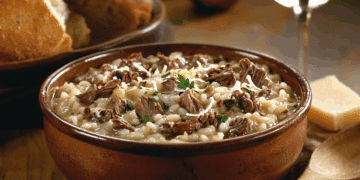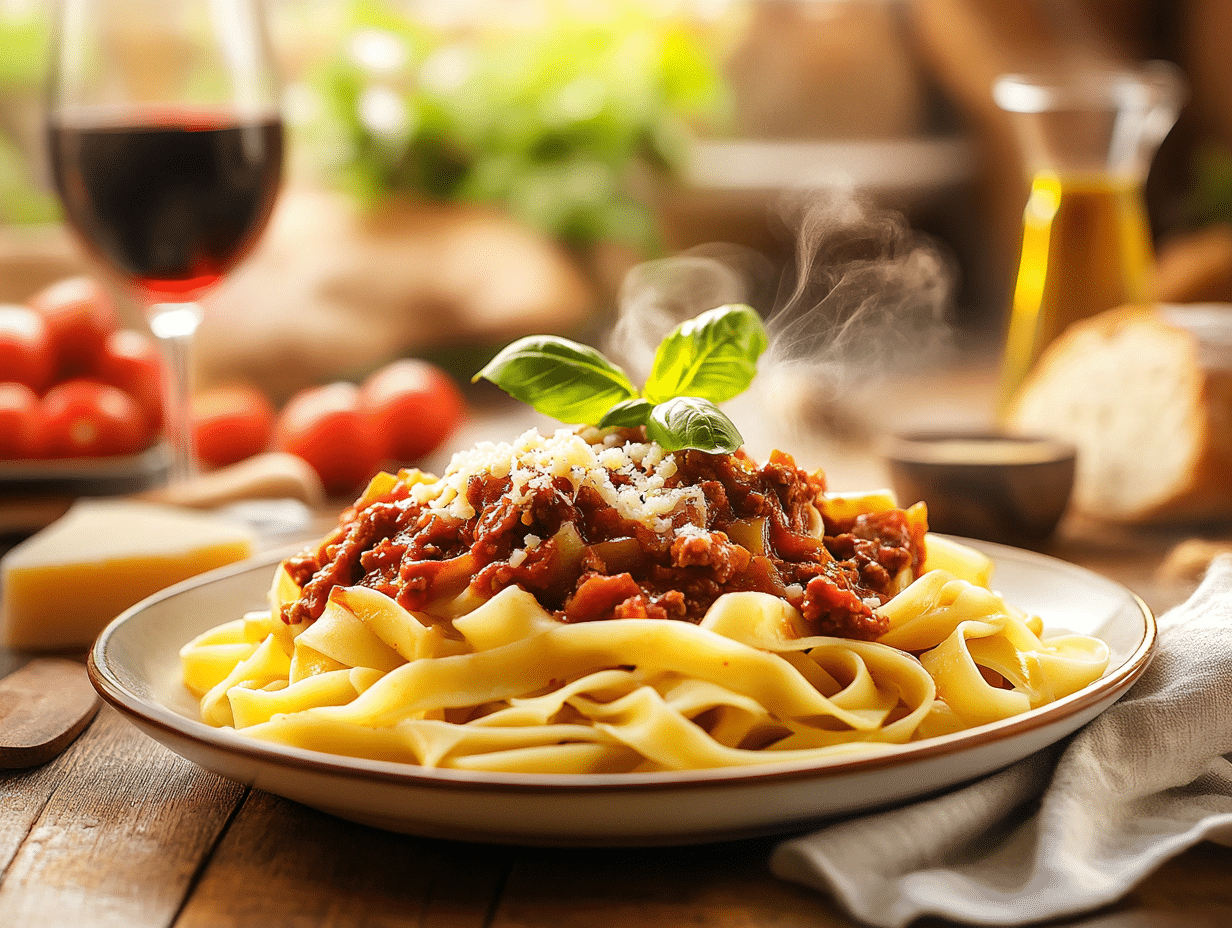
Kangaroo Mince Ragu with Tagliatelle is a delightful representation of culinary fusion, bringing together the distinctiveness of Australia’s native protein and the comforting charm of a classic Italian dish. While the recipe itself is easy to follow, its deeper appeal lies in the story and the choice of ingredients that bridge cultural and culinary traditions.
Kangaroo meat has been a staple protein for Indigenous Australians for thousands of years and holds an important place in their diet and culture. As a red meat, kangaroo is lean, rich in flavor, and widely considered a sustainable and ethical choice due to the animals’ low environmental impact. Kangaroos graze naturally, eliminating the need for intensive feedlots, and their population control aligns with ecological balance efforts. Beyond sustainability, kangaroo meat is considered high in iron and protein, making it an excellent alternative to more traditional meats such as beef or lamb.
This recipe modernizes kangaroo mince by integrating it into a hearty ragu, a traditional slow-cooked meat sauce synonymous with Italian cuisine. In its original Italian form, ragu is the epitome of soul-soothing comfort food. It is rich, luscious, and deeply layered in flavor, with hours of simmering bringing together a medley of fresh ingredients. Adding kangaroo to this culinary classic introduces an unexpected yet harmonious twist, blending the earthiness of kangaroo with the traditional tomato, carrot, and celery base.
The choice of ingredients in this dish builds a bridge between two cuisines. A sofrito—a blend of finely chopped onion, carrot, and celery—grounds the dish in Italian tradition, while other elements enhance its unique flavor profile. The richness of red wine, the tang of tomato paste, and the umami of Parmesan cheese are staples in Italian kitchens, yet they meld beautifully with the lean, gamey flavor of kangaroo mince. Using olive oil as a base adds depth to the sauce while complementing the natural leanness of the kangaroo meat, subtly balancing moisture and richness in the finished dish.
Cooking kangaroo requires a thoughtful approach due to its low fat content. Overcooking can lead to a tough texture, so the technique of slow simmering in this recipe allows the ragu’s flavors to meld and keeps the meat tender while infusing it with the rugged warmth of herbs, tomatoes, and wine.
The pairing of the ragu with tagliatelle—a broad, flat pasta—further enhances the dining experience. Tagliatelle provides the perfect texture and surface area to capture the rich sauce, allowing each bite to carry a well-rounded combination of flavor and texture. While dried pasta works well, using fresh tagliatelle elevates the dish to restaurant-quality refinement.
Kangaroo Mince Ragu with Tagliatelle is not just a recipe; it’s an invitation to explore the intersection of two culinary worlds. Whether you’re an adventurous home cook or someone looking for a dish that honors both tradition and innovation, this meal is a celebration of cultural harmony on a plate. With every bite, you’ll taste the heart of Australian wilderness mingled with the soulful essence of an Italian kitchen.
Kangaroo Mince Ragu with Tagliatelle

Ingredients
- 500 grams kangaroo mince - Preferably organic for rich flavor
 2 tablespoons olive oil - Extra virgin for enhanced aroma
 1 large onion - Finely chopped
 2 cloves garlic - Minced
 1 cup carrot - Diced
 1 cup celery - Diced
 1 cup red wine - Full-bodied for depth
 800 grams tomatoes - canned, crushed, preferably San Marzano
 2 tablespoons tomato paste
 2 pieces bay leaf (bay leaves)
- 300 grams tagliatelle - Fresh if possible
 1 pinch salt - To taste
 1 pinch ground black pepper - To taste
 ¼ cup Parmesan cheese - Freshly grated, for serving
Instructions
- In a large, heavy-bottomed pan, heat the olive oil over medium-high heat. Add the onion and cook until translucent, about 5 minutes, stirring occasionally.
- Add the garlic, carrot, and celery, and sauté until the vegetables are softened and lightly browned, approximately 8 minutes.
- Introduce the kangaroo mince, breaking it apart with a wooden spoon. Cook until browned and the juices have evaporated, about 10 minutes.
- Pour in the red wine, scraping the pan to deglaze, and let it simmer until reduced by half, around 5 minutes.
- Stir in the crushed tomatoes, tomato paste, bay leaves, and season with salt and pepper. Reduce the heat to low, cover, and let simmer for 40 minutes, stirring occasionally.
- Meanwhile, bring a large pot of salted water to a boil and cook the tagliatelle according to the package instructions until al dente. Drain and set aside.
- Remove the bay leaves from the ragu, adjust seasoning if necessary, and serve over the tagliatelle topped with freshly grated Parmesan cheese.