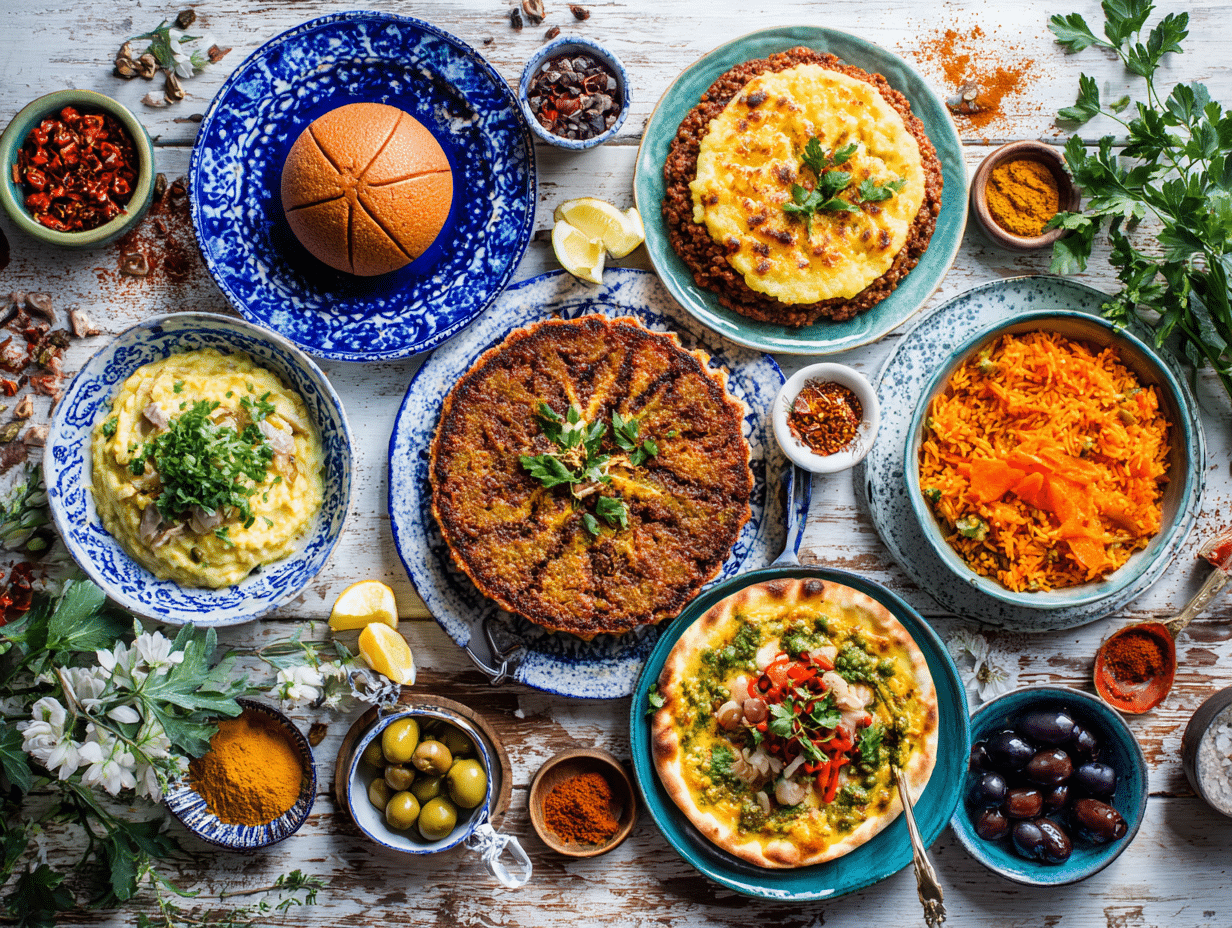
Ground meat appears in countless dishes around the world, yet most people stick to familiar recipes like burgers and meatballs. Many cultures have created unique and flavorful ways to prepare minced meat that remain unknown to home cooks in other countries.
This collection explores 15 international mince dishes that showcase how different cultures transform simple ground meat into distinctive meals. From Middle Eastern kibbeh to South African bobotie, these recipes demonstrate the versatility of minced meat across various cooking traditions. Each dish reflects local ingredients, spices, and cooking methods that create completely different flavors and textures.
1) Kibbeh (Middle East)
Kibbeh is a popular dish across the Middle East. People make it with bulgur wheat, minced meat, and spices.
The outer shell contains fine bulgur mixed with ground lamb or beef. Cooks add onions, pine nuts, and warm spices to the filling.
Most versions are shaped like footballs and deep-fried until golden. The result is a crispy outside with a savory meat center.
Lebanon and Syria claim kibbeh as their national dish. Each country has its own way of preparing it.
Some regions bake kibbeh in large pans instead of frying. Others serve it raw, similar to steak tartare.
The dish requires skill to make properly. Cooks must knead the bulgur mixture until smooth and shape it carefully.
Families often gather to make kibbeh together during special occasions. The process can take several hours from start to finish.
Kibbeh appears at weddings, holidays, and family celebrations. It represents comfort food for many Middle Eastern families.
2) Picadillo (Latin America)
Picadillo is a popular ground meat dish found across Latin America. Each country has its own version with different spices and ingredients.
The base recipe uses ground beef or pork cooked with onions and garlic. Tomatoes are often added to create a rich sauce.
Cuban picadillo includes olives, raisins, and capers. These ingredients give the dish a sweet and salty flavor that makes it unique.
Mexican versions often add potatoes and carrots. Some regions include peas or green beans for extra texture and color.
Puerto Rican picadillo features sofrito, a blend of peppers, onions, and herbs. This gives the dish a bright, fresh taste.
In many countries, families serve picadillo over rice or with beans. It also works well as a filling for empanadas or tacos.
The dish is easy to make and uses affordable ingredients. This makes it a common weeknight meal for many Latin American families.
Some cooks add hard-boiled eggs or plantains to their picadillo. Others prefer to keep it simple with just meat and basic seasonings.
3) Keema Matar (India)
Keema matar is a popular Indian dish made with minced meat and green peas. The word “keema” means minced meat in Hindi.
Most recipes use ground lamb or goat meat. Some versions use chicken or beef instead. The meat cooks with onions, garlic, and ginger.
Green peas add color and sweetness to the dish. Fresh peas work best, but frozen peas are common too.
Indian spices give keema matar its flavor. Cooks use cumin, coriander, turmeric, and garam masala. Tomatoes make the sauce rich and tangy.
The dish takes about 30 minutes to cook. The meat browns first, then the spices and vegetables join the pan.
People eat keema matar with rice or Indian bread like naan. It appears on restaurant menus across India. Home cooks make it for everyday meals.
Each region has its own way to make keema matar. Some add potatoes or carrots. Others use different spice blends.
The dish is filling and provides protein from the meat and fiber from the peas. It tastes mild enough for most people to enjoy.
4) Soboro Don (Japan)
Soboro Don is a simple Japanese rice bowl dish. It features ground meat cooked with soy sauce and sugar over steamed rice.
The most common version uses ground chicken. Cooks break the meat into small pieces while cooking. This creates a crumbly texture that gives the dish its name.
Japanese families often make this for quick weeknight dinners. The meat mixture stays moist and slightly sweet. Many cooks add scrambled eggs on top for extra protein.
Some regions use ground pork or beef instead of chicken. The cooking method remains the same. The meat gets seasoned with basic Japanese flavors.
Parents pack Soboro Don in lunch boxes for children. The dish works well at room temperature. It provides protein and carbs in one simple bowl.
The preparation takes about 15 minutes from start to finish. Cooks heat oil in a pan and add the ground meat. They stir in soy sauce, sugar, and sometimes mirin while cooking.
This comfort food appears in many Japanese households. It offers an easy way to use ground meat. The dish proves that simple ingredients can create satisfying meals.
5) Pastel de Choclo (Chile)
This Chilean dish looks like a casserole but packs bold flavors. It combines ground beef with a sweet corn topping.
The meat layer contains beef, onions, and hard-boiled eggs. Some cooks add chicken pieces too. Raisins and black olives give it a unique taste.
The corn topping makes this dish special. Cooks blend fresh corn kernels with milk and sugar. This creates a creamy, sweet layer on top.
The dish goes in the oven until golden brown. The corn topping puffs up slightly and gets crispy edges.
People eat pastel de choclo during summer months when corn is fresh. Families often make it for Sunday dinners or special occasions.
The sweet corn pairs well with the savory meat filling. This mix of flavors surprises many first-time eaters. The dish shows how Chilean cooking blends different tastes together.
Each region in Chile has its own way of making it. Some add more spices to the meat. Others make the corn topping thicker or thinner.
6) Moussaka (Greece)
Moussaka is Greece’s most famous baked dish. It uses ground lamb or beef as the main ingredient.
The dish has three distinct layers. The bottom layer contains sliced eggplant that is fried or grilled.
Cooks place seasoned minced meat in the middle layer. They mix the meat with onions, garlic, and tomatoes.
The top layer is a thick white sauce called béchamel. This creamy sauce is made with butter, flour, and milk.
Traditional Greek families often serve moussaka at Sunday dinners. The dish takes about two hours to prepare and bake.
Some regions in Greece add potatoes or zucchini to the eggplant layer. Others use different spices like cinnamon or allspice in the meat.
The dish must rest for 15 minutes after baking. This helps the layers stay together when cut into squares.
Moussaka tastes best when served warm with a simple Greek salad. Many restaurants outside Greece serve this dish as their signature meal.
7) Chili Con Carne (Texas, USA)
Texas chili con carne uses ground beef as its main ingredient. The dish combines meat with chili peppers, onions, and spices.
Traditional Texas chili does not include beans or tomatoes. Many Texans consider these additions wrong.
The dish starts with browning ground beef in a large pot. Cooks add diced onions and garlic next.
Chili powder gives the dish its signature flavor. Cumin, paprika, and cayenne pepper add extra taste.
The mixture simmers for hours to develop deep flavors. Some recipes use beef stock or beer as liquid.
Texas chili competitions are popular events. Judges rate entries on taste, texture, and color.
The dish works well as a main course. People serve it with cornbread, crackers, or rice.
Many restaurants across Texas serve their own versions. Each cook has their own secret ingredients.
Chili con carne became the official state dish of Texas in 1977. The recipe remains an important part of Texas food culture.
8) Bobotie (South Africa)
Bobotie is South Africa’s national dish. It combines spiced minced meat with a creamy egg topping.
The dish uses ground beef or lamb mixed with curry powder, turmeric, and other spices. Cooks add dried fruit like raisins or apricots for sweetness.
Onions, garlic, and bread soaked in milk create the base. Some recipes include almonds or bay leaves for extra flavor.
The meat mixture goes into a baking dish. A custard made from eggs and milk covers the top.
Bakers cook bobotie in the oven until the custard sets and turns golden brown. The result is a casserole with rich, sweet, and savory flavors.
People serve bobotie with yellow rice and chutney. The dish shows how different cultures mixed in South Africa’s history.
Dutch settlers brought similar recipes in the 1600s. Local spices and cooking methods changed the dish over time.
Bobotie tastes mild and comforting. The fruit adds sweetness that balances the curry spices.
9) Picadillo a la Cubana (Cuba)
Picadillo a la Cubana is Cuba’s take on seasoned ground beef. This dish mixes sweet and savory flavors in one pot.
Cuban cooks brown ground beef with onions and garlic. They add tomatoes to create a rich base.
The dish gets its unique taste from raisins and green olives. These ingredients make it different from other picadillo recipes.
Many families add potatoes cut into small cubes. The potatoes soak up the flavors while cooking.
Cuban picadillo uses cumin and oregano for spice. Some cooks add a bay leaf while it simmers.
The dish cooks slowly until the meat is tender. This takes about 30 minutes on medium heat.
Families serve picadillo over white rice. Some people eat it with black beans on the side.
This comfort food appears at Cuban dinner tables often. Each family has their own recipe passed down through generations.
The sweet raisins balance the salty olives perfectly. This creates a flavor that surprises many first-time tasters.
10) Ragù alla Bolognese (Italy)
This famous Italian sauce comes from Bologna in northern Italy. People often call it Bolognese sauce in other countries.
The dish uses ground beef, pork, and veal mixed together. Cooks add onions, carrots, and celery to the meat. They also use tomatoes, milk, and white wine.
The sauce cooks slowly for several hours. This long cooking time makes the flavors blend together well.
Real Bolognese sauce is thicker than many tomato sauces. It has more meat than liquid. The meat should be the main ingredient.
Italians serve this sauce with fresh tagliatelle pasta. They do not use spaghetti like many people think. The flat, wide noodles hold the meat sauce better.
The city of Bologna has an official recipe for this dish. They registered it with the local government in 1982. This helps protect the traditional way of making it.
Many restaurants around the world serve their own versions. However, the authentic recipe uses specific ingredients and cooking methods that make it special.
11) Bigos with Minced Meat (Poland)
Bigos is Poland’s national dish that combines sauerkraut with fresh cabbage. Traditional versions use chunks of meat, but many cooks add minced meat for extra flavor.
The dish starts with sauerkraut as the base ingredient. Cooks mix it with shredded fresh cabbage and various meats.
Ground pork or beef gets browned and added to the cabbage mixture. Some recipes include minced bacon or sausage too.
The ingredients simmer together for hours. This long cooking time lets all the flavors blend well.
Polish families often make large batches of bigos. They reheat it over several days, which makes the taste even better.
The dish has a tangy, smoky flavor from the sauerkraut. The minced meat adds richness and protein.
Bigos works as both a main dish and a side dish. People serve it with bread or potatoes.
This hearty meal is popular during cold Polish winters. It provides warmth and fills people up when fresh vegetables are hard to find.
12) Nikujaga (Japan)
Nikujaga is a popular Japanese home-style dish that combines ground meat with potatoes and vegetables. The name literally means “meat and potatoes” in Japanese.
This comfort food uses beef or pork mince simmered in a sweet and savory sauce. The sauce contains soy sauce, sugar, mirin, and sake.
Common vegetables include onions, carrots, and sometimes green beans. The potatoes become tender and absorb the flavorful cooking liquid.
Japanese families often serve nikujaga as part of a weeknight dinner. It pairs well with steamed rice and miso soup.
The dish cooks slowly in one pot, making it simple to prepare. Many home cooks add their own touches with different vegetables or seasonings.
Nikujaga has a mild, comforting taste that appeals to both children and adults. The sweet-salty flavor profile is typical of Japanese home cooking.
This dish shows how Japanese cuisine adapts Western ingredients like potatoes and beef into traditional cooking methods. It became popular during the Meiji period when these ingredients became more common in Japan.
13) Lahmacun (Turkey)
Lahmacun is a thin, crispy flatbread topped with spiced minced meat. Turkish cooks spread a mixture of ground lamb or beef across rolled dough before baking.
The meat mixture contains onions, tomatoes, and fresh herbs like parsley. Cooks add spices such as paprika, cumin, and red pepper flakes for flavor.
Bakers cook lahmacun in very hot ovens until the edges become crispy. The bread stays thin and flexible in the center.
People eat lahmacun by rolling it up with fresh vegetables inside. Common additions include lettuce, tomatoes, onions, and lemon juice.
Street vendors and restaurants serve this dish throughout Turkey and the Middle East. Many people consider it Turkish pizza because of its flat shape and toppings.
The dish works well as a quick meal or snack. Diners can eat it with their hands without needing utensils.
Turkish families often make lahmacun at home for casual dinners. The preparation takes some time, but the cooking process is fast once the dough is ready.
14) Stamppot with Minced Meat (Netherlands)
Stamppot is a traditional Dutch comfort food that combines mashed potatoes with vegetables. The dish gets its name from the Dutch word “stampen,” which means to mash or pound.
Dutch cooks often add minced meat to make stamppot more filling. They usually use ground beef or pork. The meat gets cooked separately and then mixed into the mashed potato base.
Common vegetables in stamppot include carrots, onions, and cabbage. Some recipes use kale or sauerkraut instead. The vegetables are boiled until soft and then mashed together with the potatoes.
The minced meat version turns this simple side dish into a complete meal. Families across the Netherlands eat it during cold winter months. It provides warmth and energy when the weather gets harsh.
Cooks prepare stamppot by boiling potatoes and vegetables together. They drain the water and mash everything into a chunky mixture. The cooked minced meat gets stirred in at the end.
The dish has a rustic texture that is not completely smooth. People often serve it with gravy or a fried egg on top.
15) Cape Verde Minced Meat Stew (Cape Verde)
Cape Verde’s minced meat stew combines African and Portuguese cooking styles. The dish uses ground beef or pork as the main ingredient.
Cooks brown the minced meat with onions and garlic first. They add tomatoes, bell peppers, and bay leaves to build flavor.
The stew includes potatoes and sometimes sweet potatoes. These vegetables make the dish filling and hearty.
Cape Verdeans season the stew with paprika and black pepper. Some recipes include a small amount of hot pepper for heat.
The cooking process takes about 45 minutes. The meat and vegetables simmer together until tender.
Families serve this stew with rice or corn bread. The meal provides protein and vegetables in one pot.
Each island in Cape Verde has small changes to the recipe. Some areas add carrots or green beans to the mix.
This comfort food appears at family dinners and special occasions. The simple ingredients make it easy to prepare at home.
Understanding Mince in Global Cuisine
Mince plays a central role in cuisines worldwide, serving as a foundation for countless traditional dishes that reflect local ingredients and cooking methods. The preparation and cultural meaning of minced meat varies significantly between regions, while the technical differences between mince, ground meat, and chopped meat affect texture and cooking results.
Cultural Significance of Mince Dishes
Mince dishes appear in nearly every cuisine because they transform tough cuts of meat into tender, flavorful meals. Many cultures developed these recipes out of necessity to use less expensive cuts effectively.
In Middle Eastern cuisine, kofta represents hospitality and celebration. Families pass down specific spice blends through generations. The dish appears at weddings and religious festivals.
European countries created mince pies and shepherd’s pie to preserve meat and stretch ingredients during harsh winters. These dishes became comfort food staples that families still prepare today.
Asian cuisines use mince in dumplings and noodle dishes. Chinese mapo tofu combines minced pork with soft tofu in spicy sauce. This dish originated in Sichuan province and spread throughout China.
Latin American countries developed empanadas and picadillo using local spices and vegetables. Each region adds unique ingredients like olives, raisins, or plantains.
Differences Between Mince, Ground, and Chopped Meats
The terms mince, ground, and chopped describe different preparation methods that create distinct textures and cooking properties.
Minced meat gets cut into very small, uniform pieces using sharp knives. This method creates the finest texture and works best for dishes like tartar or delicate dumplings.
Ground meat passes through a meat grinder with different sized plates. Coarse grinding uses 8mm plates, while fine grinding uses 3mm plates. Most grocery stores sell ground beef, pork, and turkey.
Chopped meat gets cut into larger, irregular pieces by hand or food processor. This method creates more texture variation and works well for rustic dishes.
| Method | Texture | Best Uses |
|---|---|---|
| Minced | Very fine, uniform | Tartare, fine dumplings |
| Ground | Consistent, medium | Burgers, meatballs |
| Chopped | Coarse, irregular | Rustic dishes, coarse pâtés |
Fat content affects cooking results regardless of preparation method. Higher fat content creates juicier dishes but may require draining during cooking.
How to Source Ingredients for International Mince Recipes
Most international mince dishes require specific spices and ingredients that aren’t found in regular grocery stores. Online retailers and ethnic markets offer the best selection of authentic ingredients at reasonable prices.
Finding Authentic Spices
Middle Eastern spices like sumac, za’atar, and baharat are essential for dishes like kibbeh and kofta. Most health food stores carry basic Middle Eastern spices in their bulk sections.
Asian spice blends such as Chinese five-spice, garam masala, and curry powder create authentic flavors in mince dishes. Korean gochugaru (red pepper flakes) and Japanese miso paste add depth to Asian-inspired recipes.
European herbs like oregano from Greece, paprika from Hungary, and herbes de Provence from France taste different from American versions. These regional varieties have stronger, more complex flavors.
Latin American spices including cumin, chili powder, and achiote paste are found in most supermarkets. Mexican stores sell fresh epazote and dried chiles that add authentic taste.
Fresh spices work better than old ones. Buy whole spices when possible and grind them at home. Store spices in airtight containers away from light and heat.
Where to Buy Specialty Ingredients
Online retailers like Amazon, Thrive Market, and specialty food websites sell hard-to-find ingredients. These sites often have better prices than local stores for bulk purchases.
Ethnic grocery stores offer the best selection and prices for specific cuisines. Chinese markets sell fresh ginger and soy sauce varieties. Indian stores have fresh curry leaves and specialty flours.
International food sections in regular supermarkets now carry basic ingredients like coconut milk, fish sauce, and tahini. These sections have grown larger in recent years.
Farmers markets sometimes have vendors selling fresh herbs and spices. Local farms may grow unusual herbs like shiso or lemongrass that work well in international dishes.
Restaurant supply stores sell bulk spices and sauces to the public. These stores offer good prices for large quantities of commonly used ingredients.